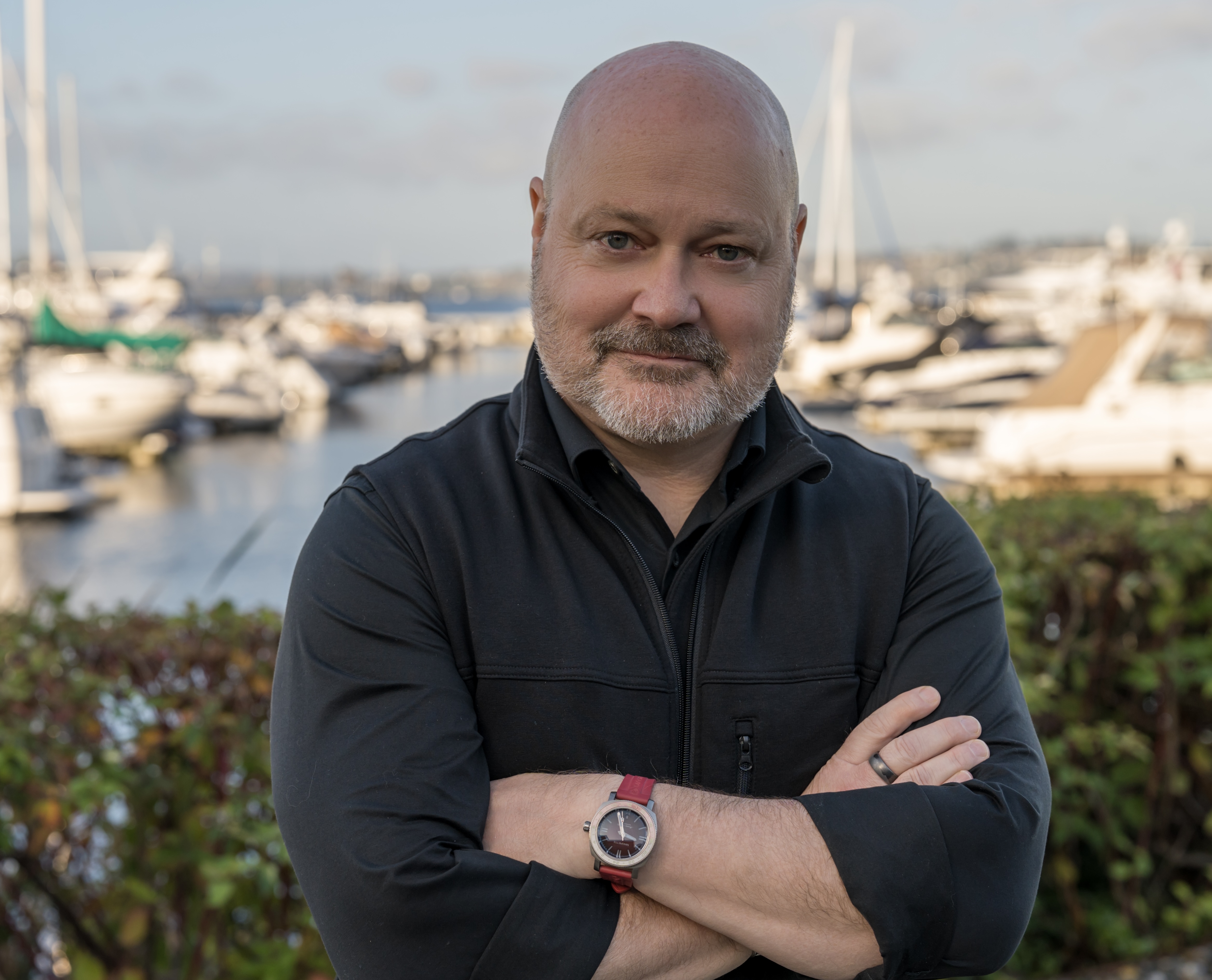
Qinsay is pleased to welcome Mark Davidson to its advisory board. His background matters for a simple reason: resilience programs are under pressure to produce better operational outcomes, not just cleaner documentation.
Mark's career brings together intelligence, crisis leadership, and executive decision-making. That combination is useful at a time when organizations are dealing with faster disruptions, denser interdependencies, and higher expectations from leadership teams.
Why this matters
Tabletop exercises are often treated as internal checkpoints. In practice, they are one of the few moments when organizations can observe how decisions actually move across cyber, operations, communications, legal, and executive leadership. Advisory guidance from people who have operated under pressure helps keep that work grounded.
What experienced crisis leaders tend to emphasize
- Clear decision ownership before the event.
- Shared operating assumptions across technical and non-technical teams.
- Communication discipline when facts are incomplete.
- A bias toward documentation that supports follow-through.
The larger point
Resilience programs improve when they borrow from real crisis practice instead of relying only on policy frameworks. That does not mean importing government language into the enterprise. It means respecting the fact that under pressure, coordination and judgment become visible very quickly.
Qinsay and TabletopOne are focused on helping organizations run more serious exercises, capture the decisions that matter, and leave with reporting that leadership can use. Advisory depth helps sharpen that mission.