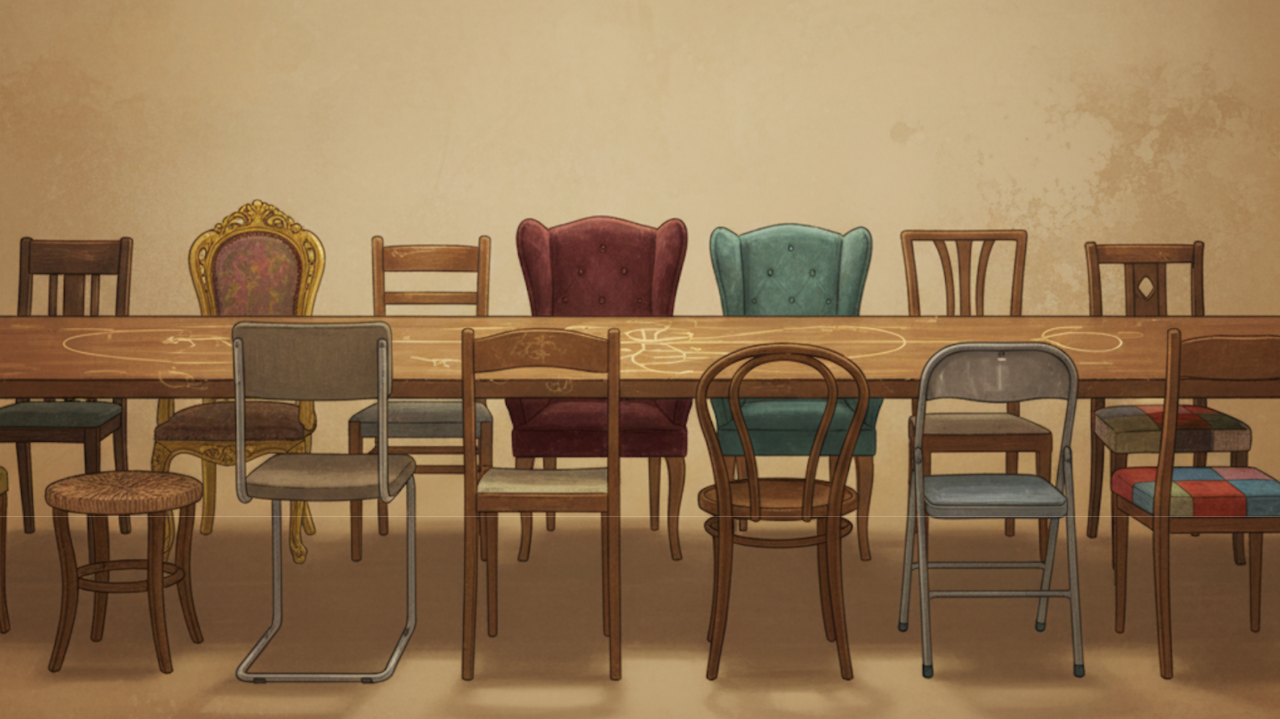
Plans matter. But plans that never get exercised remain assumptions written in clean prose. The real value appears when teams have to apply those assumptions under pressure, with incomplete information, competing priorities, and visible leadership expectations.
That is why tabletop exercises matter. They turn written intent into observable behavior. They reveal where coordination slows down, where escalation paths are vague, and where teams are relying on confidence instead of proof.
What exercises do well
They create a controlled environment for seeing how the organization behaves when the situation is uncomfortable but still recoverable. That is a much better teacher than waiting for a real incident to identify the same weaknesses at higher cost.
What good exercises require
- A realistic scenario with enough context to make tradeoffs visible.
- The right participants in the room, including the people who own non-technical decisions.
- A facilitation model that captures decisions and action items in real time.
- A follow-through process that treats findings as operational work, not meeting notes.
Turning plans into practice
The goal is not to prove that the written plan is perfect. The goal is to learn whether the organization can actually use the plan, where it breaks down, and what should change before the next disruption.
A seat at the tabletop is useful because it creates evidence. It shows whether preparedness is performative or operational.